
The China Pathway
March 18, 2021 2026-05-27 20:37The China Pathway
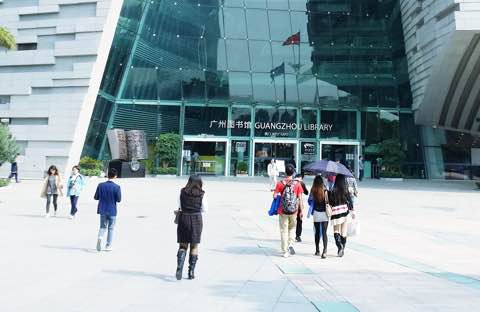
Based on the requirements provided and the institutional standards of the Afro-Eurasian Academic Chambers (AEAC), here is the official process guideline for students transitioning from application to graduation in China
Phase 1: The Chambers Pre-evaluation
Before formal submission, the AEAC conducts an internal audit of the applicant’s credentials to ensure they meet the rigorous standards of Chinese higher education.
- Academic Document Prep: Collect high-quality scans of transcripts and diplomas
- Competency Testing: For Bachelor’s Applicants: Register for the China Scholastic Competency Assessment (CSCA). This is currently a home-based test with a fee of $65 USD.
- Language Proficiency: If the medium of instruction is Chinese, the student must sit for the HSK (Chinese Proficiency Test)
- Health & Security: Complete a comprehensive medical check-up at a local hospital. Obtain an official Police Criminal Record Check to ensure eligibility for international residency.
Phase 2: Formal Application & Institutional Matchmaking
Once the "Chambers" audit is complete, the formal application to the partner university is initiated.
- Financial Proof: Prepare a bank statement showing a minimum of $10,000 USD (for a single applicant) to prove financial self-sufficiency.
- Application Submission: Submit the passport, professional photos, and academic records to the chosen faculty.
- Fees: An application fee of $60 USD is required at this stage.
Phase 3: Admission & Visa Procurement (JW201/JW202)
Upon successful evaluation by the university and the AEAC board, the student moves into the legal migration phase overseen by the Secretary General.
- Admission Letter: The university issues a formal Letter of Admission.
- Visa Application Form: The university provides the JW201 or JW202 form (required for the X1 or X2 student visa).
- Consulate Interview: Present the Admission Letter, JW form, and health checks to the Chinese Embassy/Consulate to obtain the student visa.
Phase 4: Enrollment & On-Campus Integration
- Registration: Upon arrival in China, the student must register with the university’s international office and the local police bureau within 24 hours.
- Residence Permit: The student visa is converted into a multi-entry Residence Permit for the duration of the study program.
Phase 5: Graduation & Global Certification
- Academic Completion: Successful completion of all credits and the final thesis/capstone project.
- Diploma Awarding: The student receives their degree, which is then validated by the Afro-Eurasian Academic Chambers for use in the global or African job market.
- Alumni Network: Graduates join the Eastern Academia alumni network, maintaining ties for future professional opportunities in the Afro-Eurasian corridor.
Note to Board Members and Partners: This guideline ensures that every student under the AEAC banner follows a standardized, secure path that minimizes risk and maximizes the prestige of their eventual qualification.
Phase 6. Financial Excellence: Affordable & Transparent Costs
Choosing China through the Afro-Eurasian Academic Chambers allows students to access high-tier education at a fraction of the cost found in Western institutions.
- Affordable Tuition Fees: Degree programs in China are highly subsidized, with annual tuition typically ranging from $2,500 to $5,000 USD for most English-taught programs.
- No Hidden Costs: The AEAC ensures full transparency in fee structures, helping families plan their educational investment without the fear of sudden tuition spikes.
- Value for Money: Students receive training in state-of-the-art facilities and laboratories that rival or exceed those in Europe and North America for a much lower investment.
Phase 7. Low Living Expenses: High Quality of Life
China offers one of the best "cost-to-quality" ratios for international students.
- Cost of Living: Depending on the city, a student can live comfortably on $300 to $600 USD per month, covering accommodation, food, and utilities.
- Subsidized Housing: Most partner universities provide modern, secure, and affordable on-campus dormitories specifically for international students.
- Dining and Transport: Student canteens offer diverse, healthy meals at very low prices, and the public transport system including high-speed rail is among the most affordable in the world.
8. Scholarship & Funding Opportunities
The Afro-Eurasian Academic Chambers is committed to removing financial barriers through a robust network of scholarship opportunities.
- CSC (Chinese Government Scholarships): Fully or partially funded scholarships that cover tuition, accommodation, and provide a monthly living stipend.
- The AEAC Reward: A proprietary program by the Chambers and its partners designed to reward top-performing students in the AEAC network with specialized grants and admissions perks.
- Provincial & University Scholarships: Many Chinese provinces and individual universities offer "Belt and Road" scholarships specifically for talented African students.
- Corporate Sponsorships: Through our "Chambers" partnerships decision.
- Funding for Excellence: Selective European scholarships are available for those who meet the high scholastic standards of the AEAC board.
The AEAC Promise: "The Afro-Eurasian Academic Chambers is more than a gateway; it is a bridge. We promise to support your transition through every phase: cultural, linguistic, and professional, so that you emerge not just as a graduate, but as a transcontinental leader ready to transform the African landscape."
In The News
Press Releases